

Creatine: The Tiny Supplement With Big Benefits
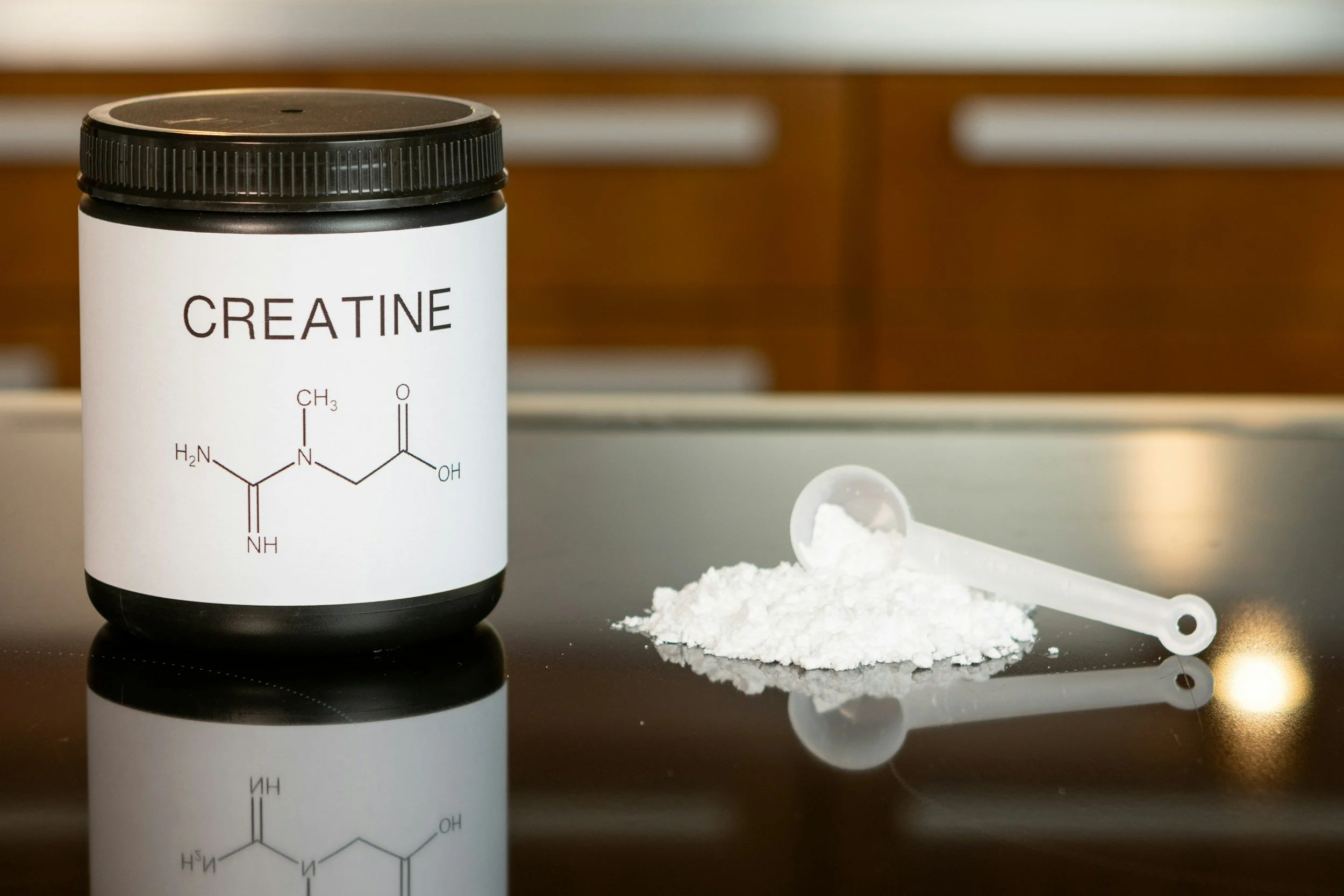
Creatine might sound like something cooked up in a lab, but your body has actually been making it all along.
This powerhouse compound is naturally produced from amino acids in the kidneys, liver, and pancreas, while also showing up in foods like red meat. About 90–95% of the body’s creatine lives inside your muscles, where it acts like a rapid-response energy reserve.
During explosive movements like sprinting, jumping, or crushing a heavy set in the gym, creatine helps recycle ATP — the body’s “energy currency” — so your muscles can keep performing at a high level for those critical extra seconds. Translation: creatine won’t turn you into a marathon machine, but it may help you sprint faster, lift heavier, and squeeze out another rep when it counts most.

One of the coolest things about creatine is that it doesn’t just help with performance in the moment — it may also support long-term muscle growth and recovery.
When creatine enters muscle cells, it pulls water into the cell, creating a “cell volumizing” effect that may encourage protein synthesis and glycogen storage over time.
That’s one reason many people notice fuller-looking muscles shortly after starting supplementation. The gold standard form is creatine monohydrate, which has consistently outperformed trendier alternatives in both research and results.
Most people see benefits with just 3–5 grams per day, and despite old gym myths, current evidence shows creatine does not appear to increase cramping, dehydration, or injury risk. Bonus points for plant-based athletes: because creatine is mostly found in animal foods, vegetarians and vegans may experience even greater benefits from supplementation.

If you’re thinking about adding creatine to your routine, keep it simple.
Stick with creatine monohydrate, mix it into a warm drink or post-workout shake, and aim for consistency over mega-doses.
Researchers are also exploring creatine’s potential brain and neurological benefits, with early studies looking at conditions like Parkinson’s disease and ALS. While more research is needed, it’s exciting to see this humble gym supplement showing promise beyond the weight room. Bottom line: creatine remains one of the most studied, effective, and budget-friendly supplements available — and for many active people, it earns its spot in the shaker bottle hall of fame.